10
Events
16 April, 2019

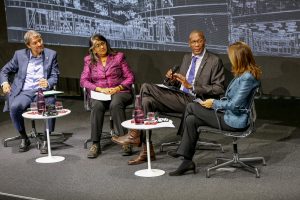
Globalization, Inequality and Powerlessness of Policy

Maison de la Paix
Albert Hirschman Centre on Democracy
10
Research
Research project

“In 2015, we are all indigenous”: Indigenism and the World Games of Indigenous Peoples

Centre on Conflict, Development & Peacebuilding
10
News
11th February 2022

Ethics, Success, and Contentious Freedom in Return Migration to Cuba

Valerio Simoni and Global Migration Centre
510
Events
24 November, 2022

Meanings of Empowerment: Black Feminism and Entrepreneurship in Development Programmes in Brazil

Maison de la Paix
Gender Centre
10
Events
23 February, 2022

Taxation in Africa from Colonial Times to the Present. Evidence from Former French Colonies 1900-2018

Centre for Finance and Development
10
Events
19 November, 2021

Keynote by Makau Mutua Representation on the International Bench

Albert Hirschman Centre on Democracy
Research
In progress

The Uncounted: Visibility and the Politics of Data in Global Health

Sara Davis
10
News
23rd October 2020

Thinking Ahead on Societal Change (TASC) Platform

Centre for Trade and Economic Integration
Publications
Book chapter, 2018

Governing capital, labor, and nature in a changing world

Gopalan Balachandran and Gregoire Mallard
Events
30 November, 2023

Protected Areas, Indigenous Communities, Deforestation and the Role of Institutions: Evidence for the Lowlands of Bolivia

Maison de la Paix
Centre for International Environmental Studies
Events
27 April, 2022

Diversity and Geopolitics: Issues and Challenges

Mohammad-Mahmoud Ould Mohamedou and Davide Rodogno
10
Events
24 February, 2022

Gobal Economic Prospects Report – Slowing Growth, Rising Risks

Centre for Finance and Development
Close

Goal 10 calls for “reducing inequalities in income as well as those based on age, sex, disability, race, ethnicity, origin, religion or economic or other status within a country. The Goal also addresses inequalities among countries, including those related to representation, migration and development assistance” as put by the UN Sustainable Development Knowledge Platform. Read more about Goal 10

Close
Target 10.1

By 2030, progressively achieve and sustain income growth of the bottom 40 per cent of the population at a rate higher than the national average

Target 10.2

By 2030, empower and promote the social, economic and political inclusion of all, irrespective of age, sex, disability, race, ethnicity, origin, religion or economic or other status

Target 10.3

Ensure equal opportunity and reduce inequalities of outcome, including by eliminating discriminatory laws, policies and practices and promoting appropriate legislation, policies and action in this regard

Target 10.4

Adopt policies, especially fiscal, wage and social protection policies, and progressively achieve greater equality

Target 10.5

Improve the regulation and monitoring of global financial markets and institutions and strengthen the implementation of such regulations

Target 10.6

Ensure enhanced representation and voice for developing countries in decision-making in global international economic and financial institutions in order to deliver more effective, credible, accountable and legitimate institutions

Target 10.7

Facilitate orderly, safe, regular and responsible migration and mobility of people, including through the implementation of planned and well-managed migration policies

Target 10.a

Implement the principle of special and differential treatment for developing countries, in particular least developed countries, in accordance with World Trade Organization agreements

Target 10.b

Encourage official development assistance and financial flows, including foreign direct investment, to States where the need is greatest, in particular least developed countries, African countries, small island developing States and landlocked developing countries, in accordance with their national plans and programmes

Target 10.c

By 2030, reduce to less than 3 per cent the transaction costs of migrant remittances and eliminate remittance corridors with costs higher than 5 per cent